 Real Estate
Selling your home without losing money on the way
What I go through with every client before a single sign goes up, written so you can follow it yourself. Seven steps, in the order that matters, and the mistakes I watch people repeat every season in Castelldefels, Gavà and along the rest of the coast.

The home that sells well is not the most expensive or the newest: it is the one that reaches the market prepared, with the paperwork done and the price in the right place.
Gather the paperwork before you list, not after
Most sales that fall through do not fall through on price: they fall through because a document is missing and the buyer goes cold while waiting. Have all of this on the table the day you go to market.
If you are missing any of it, tell me on day one: almost everything can be processed in parallel while the house is already being shown.
Price: the one decision you cannot correct for free
Price is not set by looking at what your neighbours are asking on the portals, because that is what they are asking, not what they are getting. It is set from deals actually closed in recent months, in the same area and the same type of property, adjusted for what your home has and the others do not: orientation, views, condition, floor, lift, garage.
The reason not to start high "just to try" is simple: the first two weeks bring most of the serious viewings, because those are the buyers who have been searching for months and know prices better than you do. Price above the market and you burn exactly those people, then cut for an audience that has already seen you and has you filed as "the one that has been sitting there for half a year".
Prepare the house — and do not renovate
I almost never recommend renovating before selling: you rarely get the money back, and the buyer who wants to renovate would rather do it their own way. What does pay is everything that costs little and shows in the first impression: clear out the clutter, remove half the furniture and the personal photographs, repaint anything marked in a neutral tone, fix the blind that sticks and the tap that drips, clean the glass and the grouting, and tidy the garden or terrace — on this coast that is what people fall in love with.
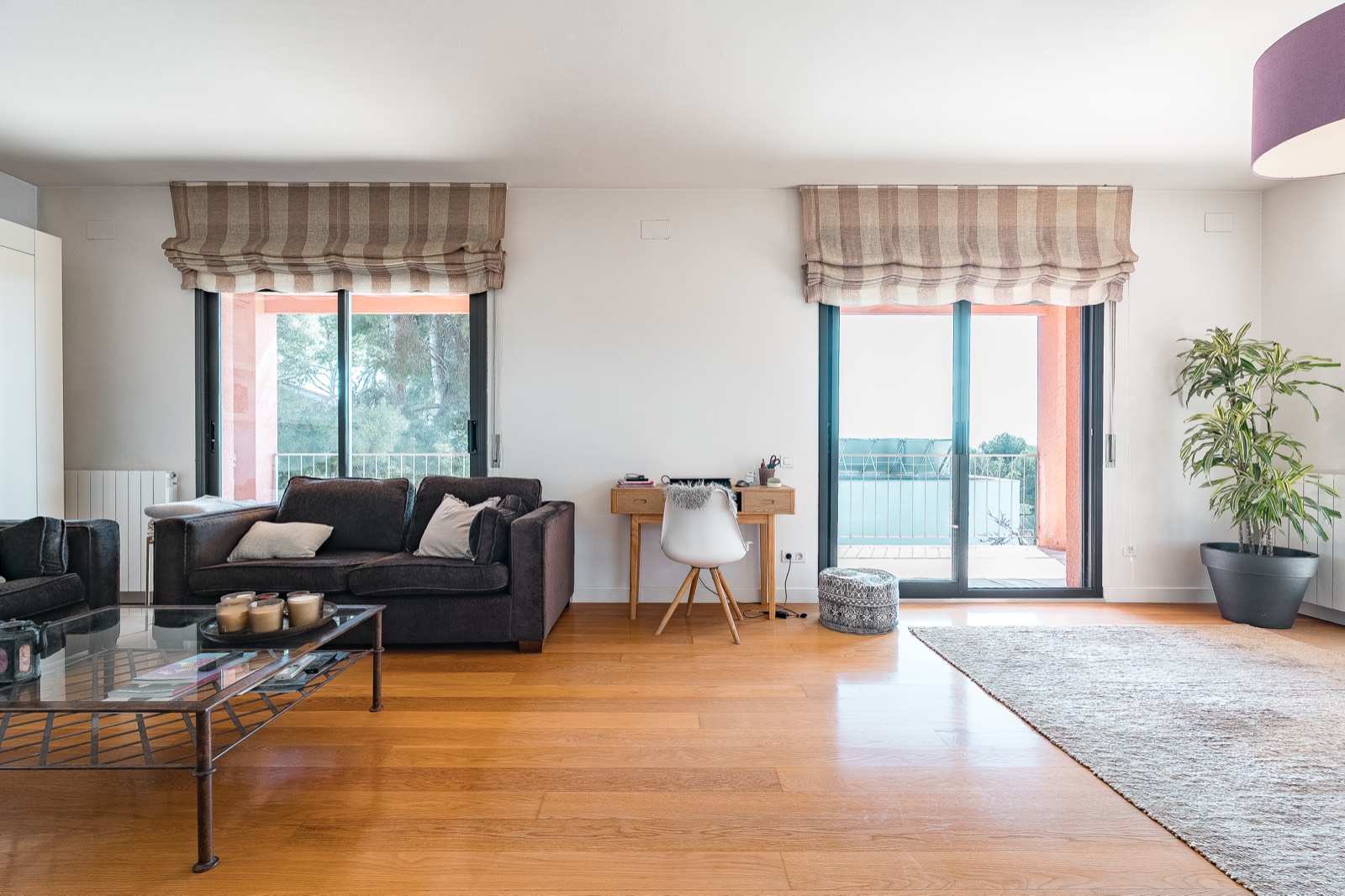
A cleared, tidy living room is not about looking pretty: it lets the buyer picture themselves living there, which is exactly what they are buying.
One detail almost nobody considers: the time of the viewing. A west-facing house in Bellamar is not shown at nine in the morning. I choose the hour according to where the light comes in.
Photography, video and where it gets advertised
The first viewing now happens on a phone, and there you have three seconds. Professional photography on a tripod in natural light, a floor plan, and a video that walks through the house in the order it is lived in, not room by room. Video filters better than any description: whoever comes afterwards already knows what they will find, and you stop losing afternoons to the merely curious.
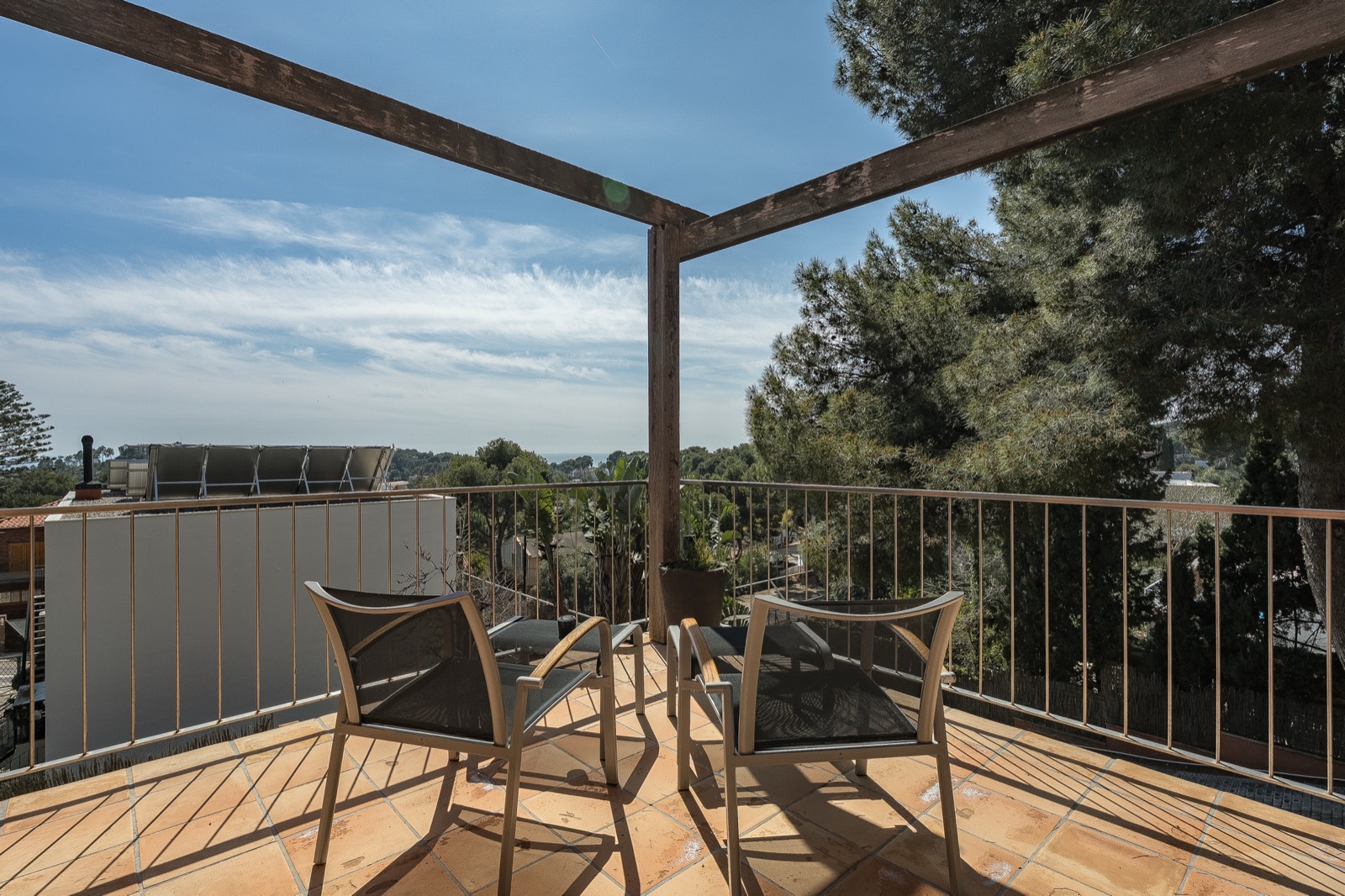
The same terrace photographed at midday or at seven in the evening are two different houses. Light is half the work.
The portals are the shop window, not the strategy. On this coast a good share of deals close with buyers already on somebody's list: people who have been searching for months, or international relocations arriving by referral. So the house also moves through social media and among local agents, before and during the listing.
Filter before you open the door
Showing the house to people who cannot buy it is not marketing, it is attrition — and two months in you end up accepting a low offer out of sheer fatigue. Before granting a viewing it is worth knowing three things: whether they need a mortgage and already have it pre-approved, whether they have to sell another home first, and what timescale they want to sign in.
At viewings, better that you are not alone with the buyer. Nobody negotiates well defending their own home: you offer explanations nobody asked for and let slip lines that cost money later, like "we have been trying to sell for a while" or "we move in June, whatever happens".
The offer, the deposit contract and the negotiation
An offer is not just a number. A slightly lower price with financing already resolved and signing in six weeks is usually worth more than the full asking price from somebody who first has to sell their flat and has not yet spoken to a bank. You compare the whole package: amount, solvency, timing and conditions.
Once there is an agreement you sign an arras contract with a deposit, setting the price, the deadline for the notary and what happens if either side walks away. It is the document that turns a conversation into a sale: read the deadline carefully, because from then on the calendar is in charge.
Notary, taxes and the costs that fall to you
It pays to know your net figure before you sign, because what you keep is not the sale price. As the seller, count on the municipal capital gains tax (plusvalía), tax on the gain in your own income tax return, the registry cancellation of your mortgage if you had one, your share of the notary costs as agreed, and the agency fee. There are exemptions and reliefs depending on your case — age, reinvestment in a main home, years of ownership — and there the last word belongs to your tax adviser, not your estate agent.
What I do is sit down with you before you accept the offer and do the full sum, so you know the figure you will walk out of the notary with. Nobody should discover this on signing day.
Before you go to market
Shall we go through it with your home in front of us?
A first conversation with no commitment: what price makes sense, which documents you are missing, and how long a home like yours usually takes to sell in your area.

This guide is for general orientation and does not replace professional tax or legal advice. Every transaction has its particularities; for the tax side, speak to your adviser.